Jaime Cibrán

Home UX Projects Videogames Projects Download CV


UX Projects


AuraTemp


Año: 2026


Herramientas: Figma, FigJam ,User Interviews


Mi rol: UX Reseach, Interaction Design


Prototype


The what

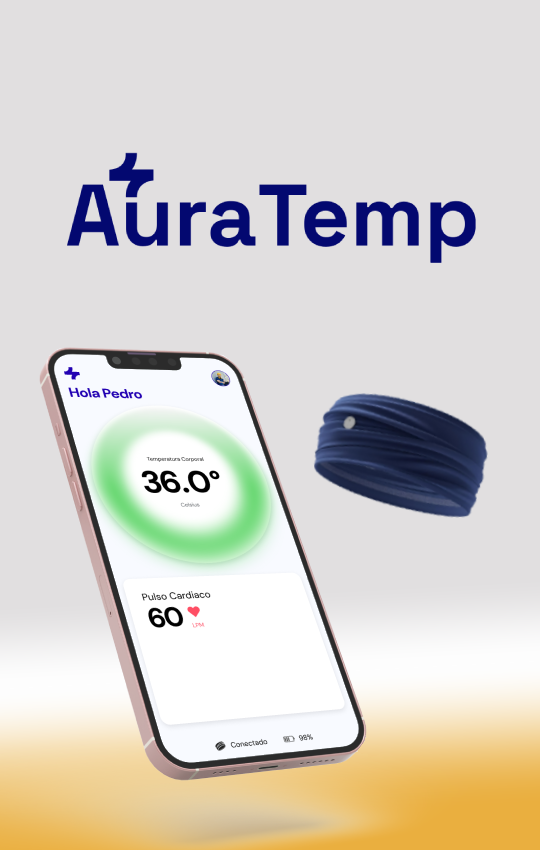
AuraTemp is an academic UX project focused on preventing heatstroke among workers exposed to high temperatures during their working day. The system combines a smart textile wearable with a mobile application that monitors body temperature and heart rate in real time to anticipate risky situations before they become an emergency.

The main objective of the project was to transform complex physiological data into clear, actionable information that would help workers make preventive decisions without interrupting their activity.

Within the project, UX decisions were made, including defining the dashboard architecture, state changes, the haptic alert system, and the user experience in a work context. Wireframes were also developed, and I participated in the design of the final interface, ensuring visual consistency and clarity when reading the data.


Hypothesis

Heatwaves significantly increase the risk of health problems, such as exhaustion and dehydration, reducing performance and quality of life for people who work outdoors.


Why is a system like AuraTemp necessary?


The problem

In Spain, rising temperatures are no longer just a climate issue, but a workplace and public health problem. Over the last five years, more than 600 workers have taken sick leave due to high temperatures, according to data from the Independent Trade Union Confederation of Public Employees (CSIF). In addition, 44% of heat-related deaths in the workplace recorded since 2003 have occurred in the last three years, highlighting an acceleration of the risk and the urgent need for adaptation in outdoor work environments. These figures show that current measures are not sufficient to prevent the real impact of heat on workers’ health.

Source:
Central Sindical Independiente y de Funcionarios (CSIF).
El Español – Health Section.

Research


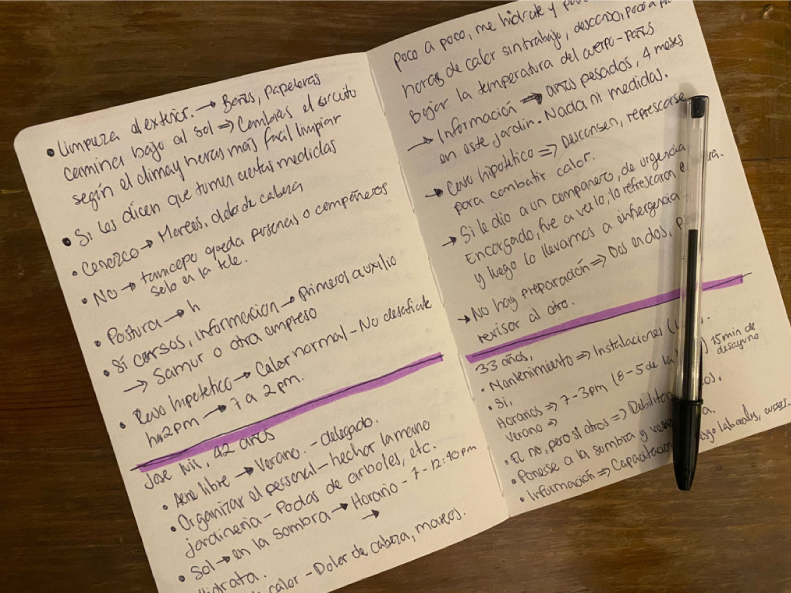
Some notes from the NoteTaker during the interviews
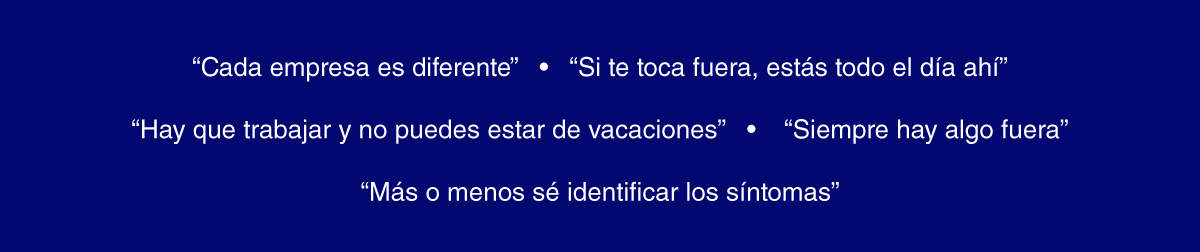


To understand the real impact of heat on exposed workers, we conducted qualitative primary research in Madrid. The objective was to understand how thermal risk is experienced in practice and what limitations current prevention measures have.

Methodology


  • In-depth interviews, both in person and online.

  • Street guerrilla interviews.

  • Recording interviews for later analysis.


Participants


Workers aged 35 to 65, employed in construction and other outdoor jobs


Voices from the field: Collection of direct quotes from the interviews

Key Insights

Through secondary research and user interviews, the following patterns were identified:


  • Institutional vs. individual responsibility: Workplace safety depends on each company’s protocols rather than on workers’ willingness, while workers are the main people affected by the lack of standards.

  • Gap between training and action: Although theoretical training exists, it does not translate into a real ability to respond or create an effective sense of safety in the work environment.

  • Risk as cumulative strain: Heat exposure is not perceived as an isolated or sudden event, but rather as a continuous process of exhaustion that drains the worker’s energy throughout the day.

User Persona


Pedro Medina (42 years old) - Construction worker.



Pain Points


His protection and working hours depend on the company or supervisor, not on him.


The theory he receives does not give him a sense of safety or a real ability to act on the job site.


He has no defined method for detecting the risk of heatstroke.


Needs


Simplicity: Tools that do not interfere with his workflow.


Actionability: Practical instructions to apply during the working day.


Long-term health: Work safely without affecting his future well-being.


Our challenge


How can we help workers exposed to high temperatures anticipate physical risks and make informed decisions during their working day?


Create a product that helps people monitor their health to prevent heatstroke during their working days and receive personalized recovery recommendations based on their body and needs, with an access model driven by partnerships with public institutions, social organizations, and external funding.


Solution: AuraTemp


Based on the research findings and ideation phase, we developed a system composed of a smart textile wearable and a mobile application.


AuraBand – The wearable


AuraBand is a smart textile device designed to integrate naturally into the working day.


The wearable monitors body temperature and heart rate, interpreting this data to detect changes in the user’s thermal state. Through haptic vibrations, the system sends discreet hydration or rest reminders without interrupting work activity.


How would it work?


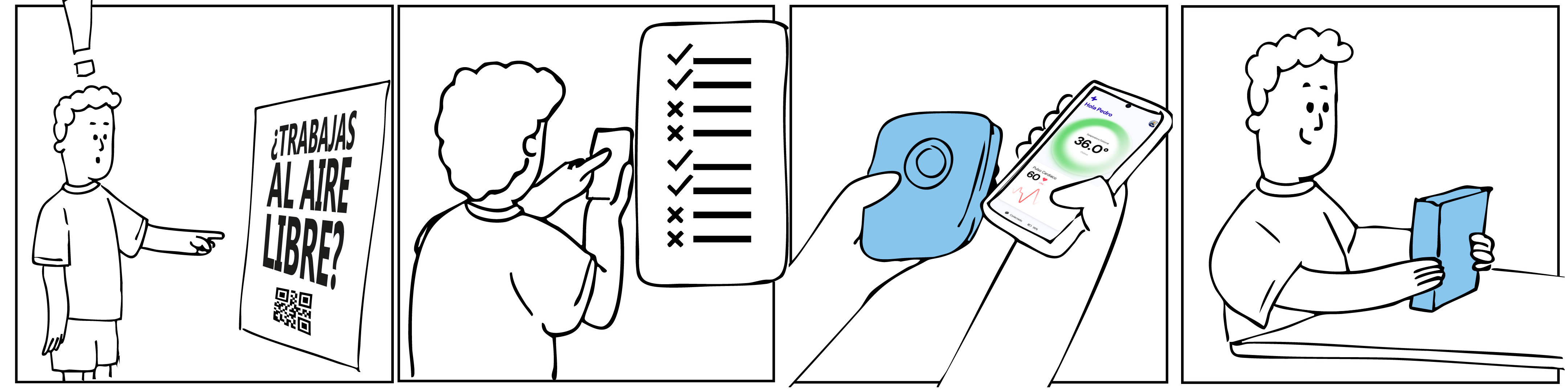
A storyboard was created to represent the user journey. ​​​​​​​This first sequence represents the moment when the worker discovers the service, understands its purpose, and decides to request the device. From the first point of contact through receiving and pairing the wearable, the goal is for joining the system to be clear, accessible, and frictionless.


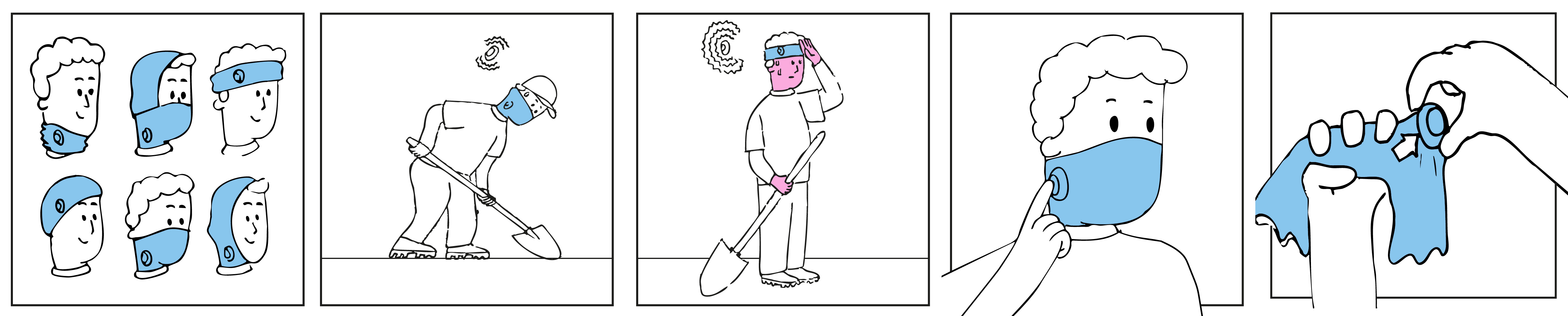
The second part of the storyboard shows the system in action within the real work environment. Here, AuraBand stops being a product and becomes a preventive tool integrated into the user’s routine.


Develop


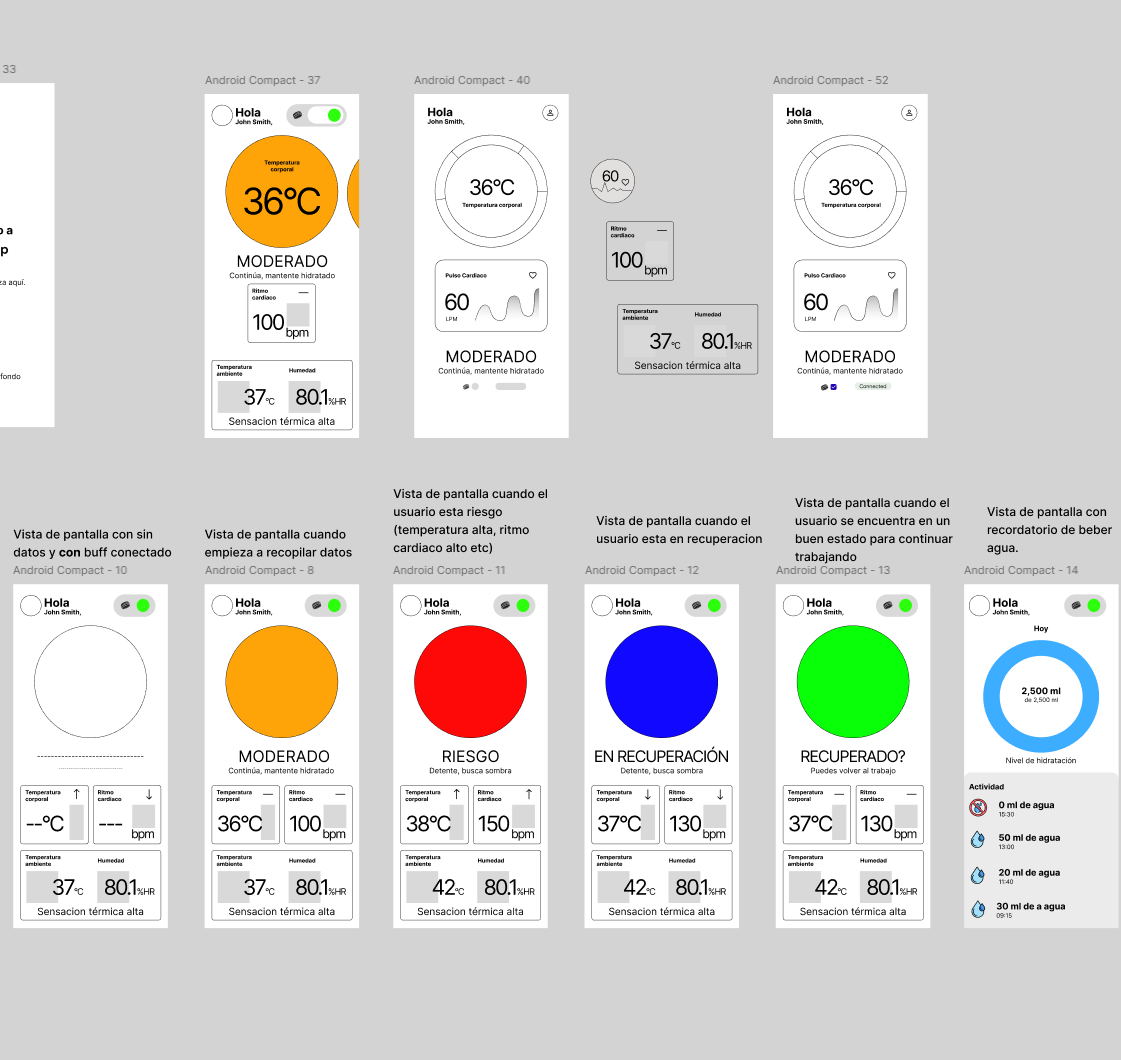
Wireframes-Dashboard


Wireframes were developed to define the system structure, exploring information organization, user flows, and the dashboard’s visual hierarchy, ensuring clear navigation adapted to the context of use.


The wearable monitors body temperature and heart rate, interpreting this data to detect changes in the user’s thermal state. Through haptic vibrations, the system sends discreet hydration or rest reminders without interrupting work activity.


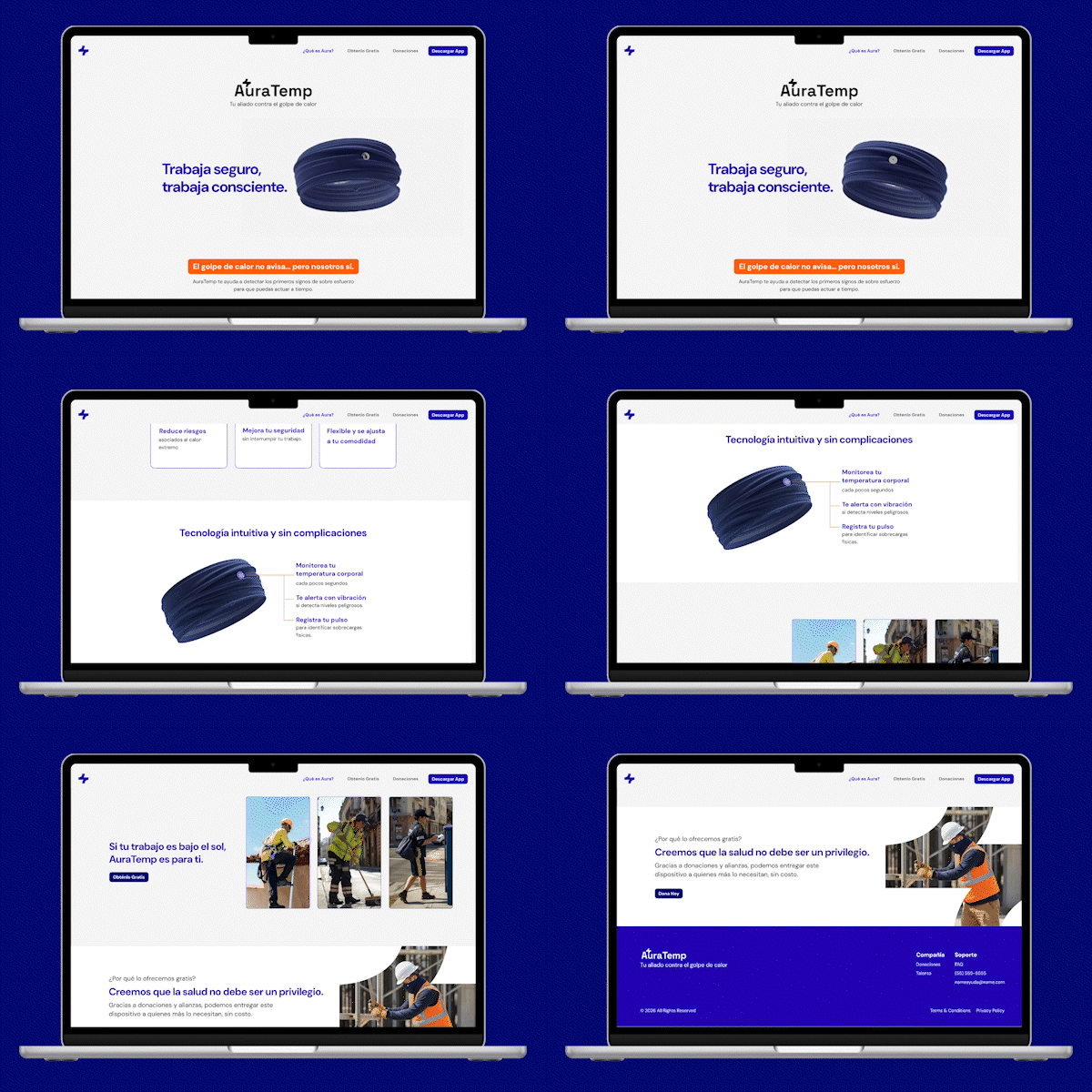
Website – Device Request


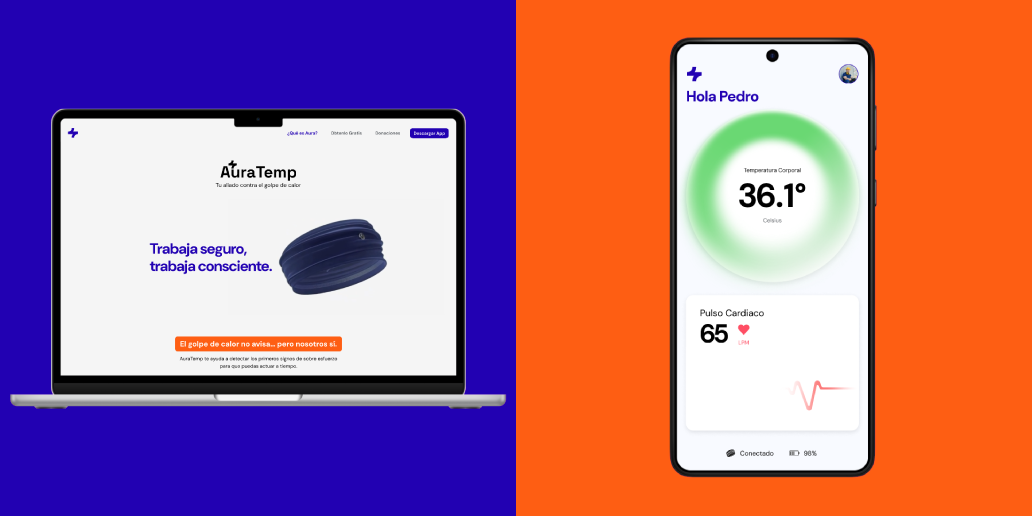
The website serves as the entry point to the service. It is designed so that workers exposed to heat can learn about the project, understand its purpose, and request the device easily.


The structure prioritizes clarity and trust: a brief explanation of the problem, how AuraTemp works, requirements for accessing the device, and a sign-up form optimized to be completed in just a few steps.


App – Real-time Monitoring and Prevention


The mobile application is the core of the system. Its function is to translate physiological data (body temperature and heart rate) into clear, actionable information.


The wearable monitors body temperature and heart rate, interpreting this data to detect changes in the user’s thermal state. Through haptic vibrations, the system sends discreet hydration or rest reminders without interrupting work activity.

Pantallas clave


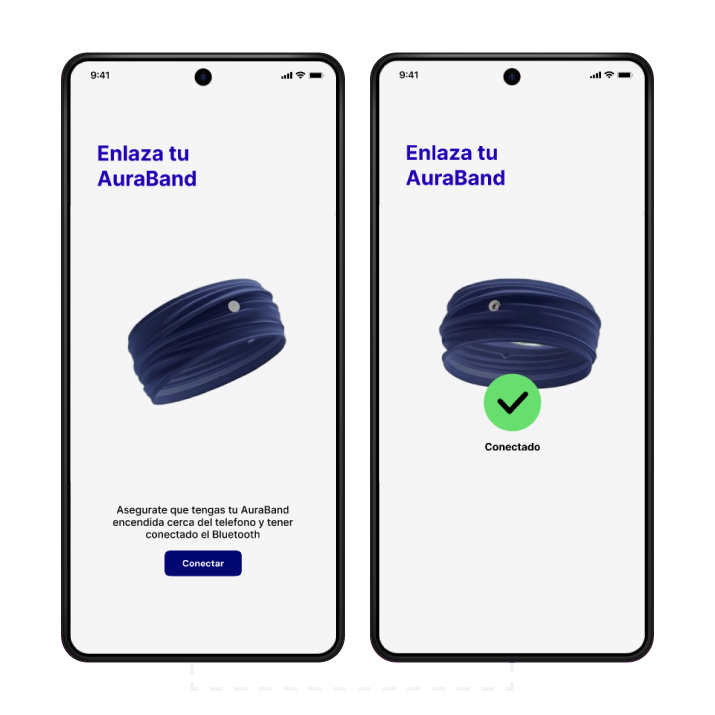
Device Pairing


The experience begins by connecting AuraBand via Bluetooth. The interface guides the user simply and directly through the pairing process, visually confirming when the device is successfully connected.


The goal was to design a clear, frictionless first interaction, considering that the target audience may not be highly familiar with technology.


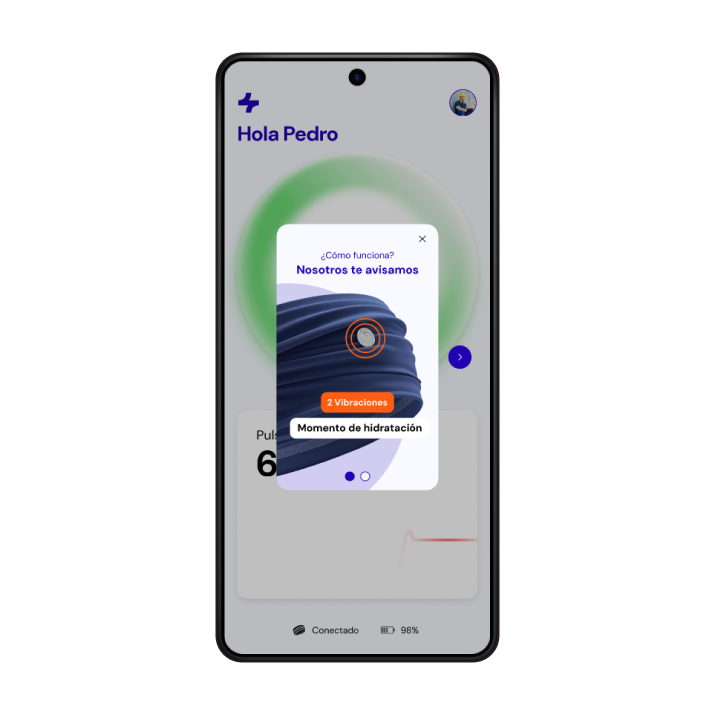
Haptic Alert Tutorial


Once the device is connected, the app introduces the haptic alert system.


AuraBand uses differentiated vibrations to communicate preventive actions without needing to check the phone:


2 vibrations → Hydration reminder


3 vibrations → Rest reminder


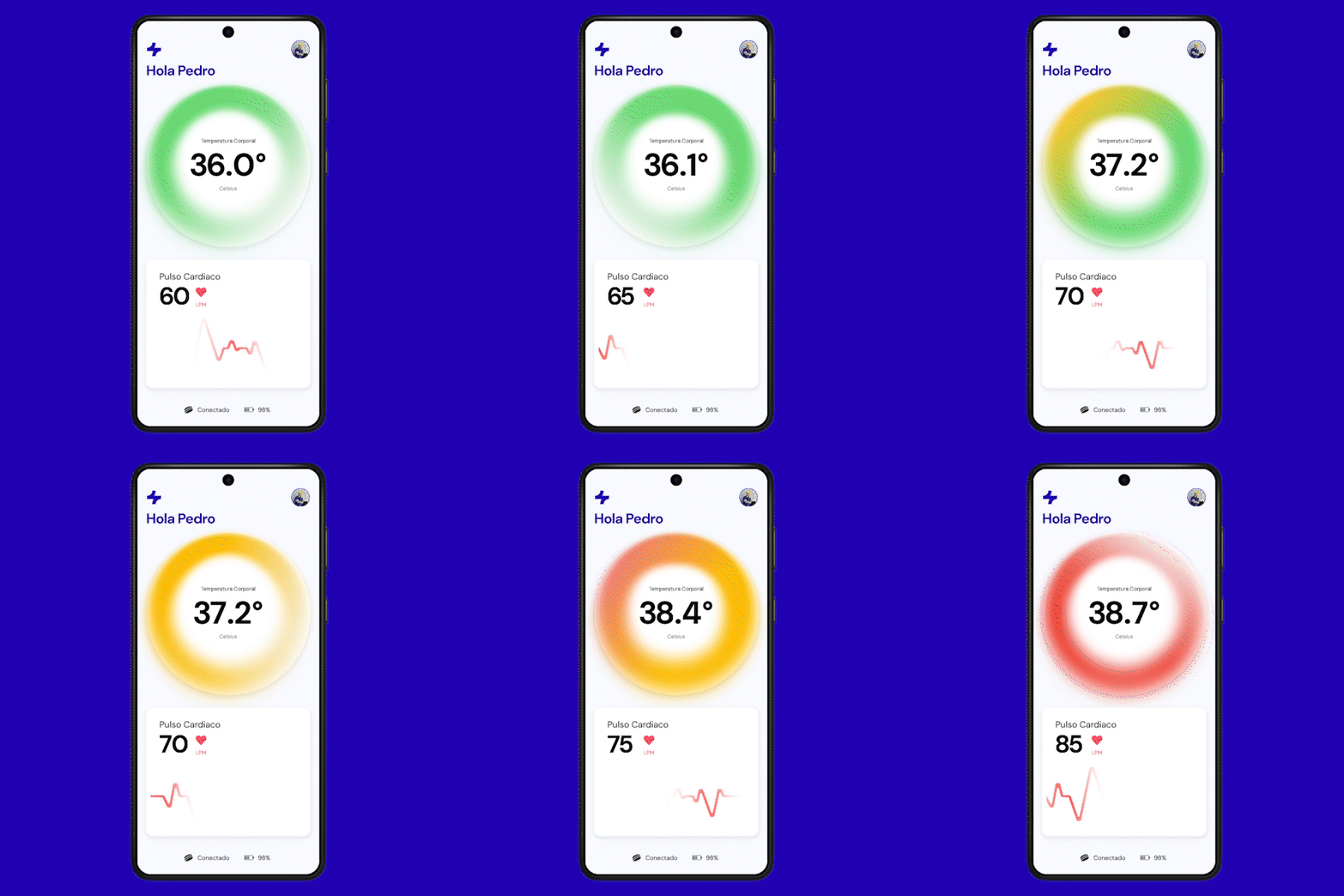
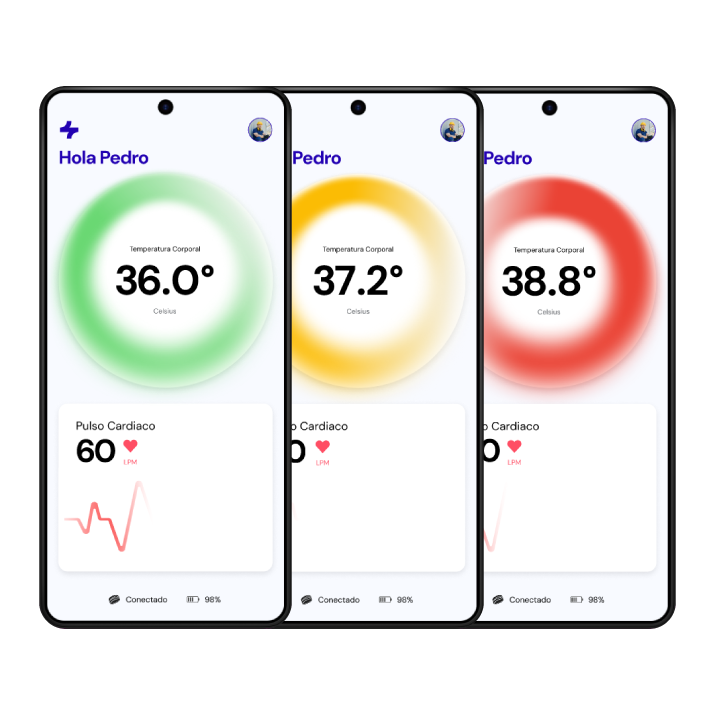
Dashboard – Thermal States


The main dashboard translates biometric data into clear, visual states through a color-coding system:


Green → Stable state

Yellow → Moderate

Red → At risk

Each state displays body temperature and heart rate in real time, allowing for quick reading even during physical exertion. The design prioritizes visual hierarchy, contrast, and reduced cognitive load.


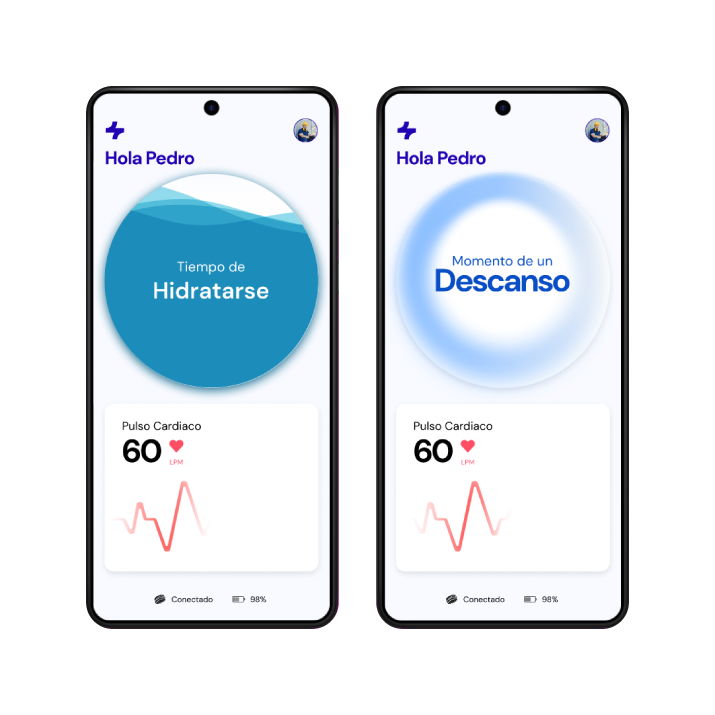
On-screen Reminders


In addition to vibrations, the application reinforces alerts with visual messages when necessary.


Hydration and rest reminders appear on screen clearly and directly, guiding the user toward specific preventive actions.


AuraTemp Prototype


Learnings

AuraTemp is an academic project in which all the steps of the Double Diamond were carried out to develop the proposal.


Throughout the process, I learned to structure a service using tools such as user personas and user journeys to connect real insights with design decisions. The interview phase was key to understanding how to translate physical experiences —such as cumulative heat exhaustion— into opportunities for digital intervention.


This project helped me strengthen my skills as an Interaction Designer by creating wireframes and defining flows and interactions. I focused on the application settings section, but I also played an important role in the visual design of the dashboard’s thermal states.


Would you like to learn more about the UX projects I've worked on?


Feel free to check out the rest of my work.